
Community
The National Center for Missing & Exploited Children (NCMEC) is the nation’s leading nonprofit organization dedicated to helping find missing children, reducing child sexual exploitation, and preventing future victimization. They operate the CyberTipline for reporting suspected online child exploitation, provide the Take It Down service to help remove explicit images from the internet, and offer prevention programs like NetSmartz to educate children, families, and educators about online safety. NCMEC works closely with law enforcement and families to bring missing children home and keep kids safe both online and offline.
The official California Megan’s Law website allows the public to search for information on registered sex offenders in their communities. The database includes photographs, physical descriptions, and details about the offender’s convictions, helping residents stay informed and take steps to protect themselves and their families. This resource is maintained by the California Department of Justice and is updated regularly to ensure accuracy.
Operated by the U.S. Department of Justice, the NSOPW provides access to sex offender registries from all 50 states, U.S. territories, and participating tribes. This free, searchable tool allows users to conduct nationwide searches, making it especially valuable for families who travel, move frequently, or wish to check areas beyond their local community. The site also offers safety tips and educational resources.
Project Safe Childhood is a nationwide initiative by the U.S. Department of Justice that brings together federal, state, and local law enforcement to combat the sexual exploitation of children. The program focuses on investigating and prosecuting offenders, educating the public on prevention strategies, and supporting victims with recovery resources. It also provides tips for parents, educators, and children to recognize and avoid online dangers.
NetSmartz Digital Safety Curriculum
Into the Cloud – Netsmartz
Student Project Kit – NetSmartz
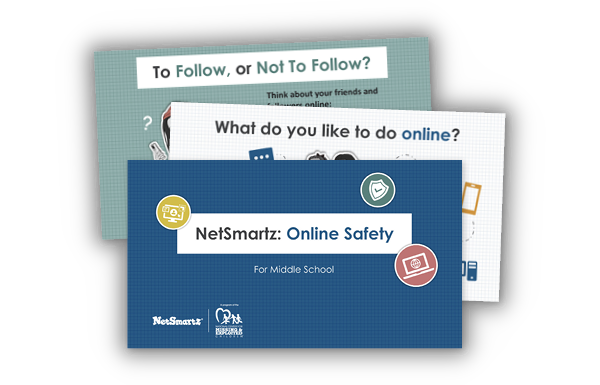
Multimedia Presentations & Tip Sheets
Age-specific presentations, tip sheets, and discussion guides for students, parents, and educators. Topics cover safe social media use, cyberbullying prevention, digital ethics, and recognizing online exploitation. Materials are designed to be ready for classroom or community presentations with minimal preparation.
Common Sense Education
Common Sense Education provides free, research-based digital citizenship curriculum for K–12 schools, helping students build the skills they need to use technology responsibly, safely, and effectively. Lessons cover topics such as privacy and security, cyberbullying, media literacy, and responsible online communication. The program includes interactive activities, videos, and teacher training resources, and is designed to meet state and national education standards.
Parents & Families
As parents we love our children and would do anything for them and anything to keep them safe. One of the most important things you can do for your child, who is using the Internet, is teach them to be safe when doing so.
We have always taught our children “Stranger danger.” They know what to do if someone approaches them on the playground, but what about on the computer? By allowing Internet access in your home and not teaching your child to be safe, you are in essence inviting sexual predators into your house unabated.
THORN For Parents
Thorn is a nonprofit organization dedicated to defending children from sexual abuse and exploitation, with a focus on the role technology plays in these crimes. They provide tools, research, and education to help prevent online child sexual abuse and empower parents to have informed conversations with their kids about staying safe online. Thorn also offers guides for recognizing the signs of grooming, understanding the risks of image-based abuse, and responding if a child is targeted.

Common Sense Media
ConnectSafely
Youth

The Cybersmile Foundation

NoFiltr
The CyberTipline
Take It Down
Victim Resources
The resources listed here are intended to connect victims and their families with organizations that provide support, crisis intervention, and recovery services. The Central California ICAC Task Force does not provide direct counseling or victim services, but we want to ensure you know where to turn for help. Inclusion of these resources does not imply endorsement of every view, opinion, or policy expressed by the organizations listed.
Take It Down is a free, confidential service from NCMEC that helps children, teens, and young adults remove nude, partially nude, or sexually explicit images and videos of themselves from the internet. Users can create a unique digital fingerprint (hash) of the content without ever sharing the actual image, which is then used to help participating platforms detect and prevent the content from being shared online. This service is available to anyone under 18—or their trusted adult—who needs help removing harmful content.
Childhelp is a free, 24/7, confidential hotline for children, parents, and concerned adults to report abuse or get help. Counselors offer crisis intervention, emotional support, and referrals to local resources in over 170 languages.
National Children’s Alliance Child Advocacy Centers (CAC) provide a safe, child-friendly place for victims of abuse to receive forensic interviews, medical care, therapy, and advocacy services. They coordinate with law enforcement and child protection professionals to minimize trauma and offer ongoing support.